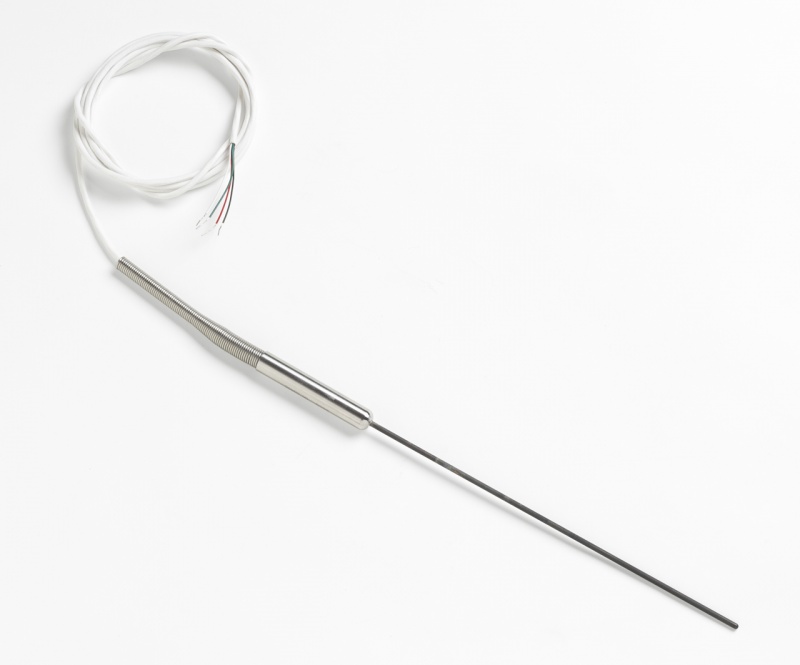
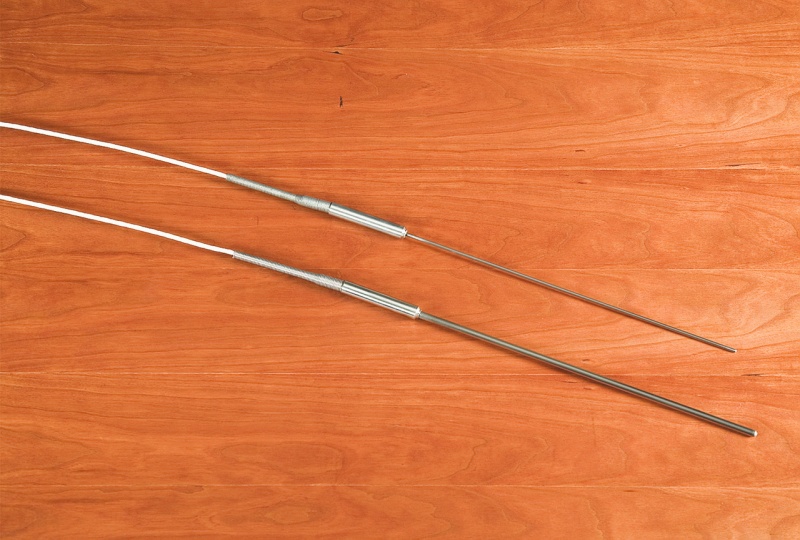
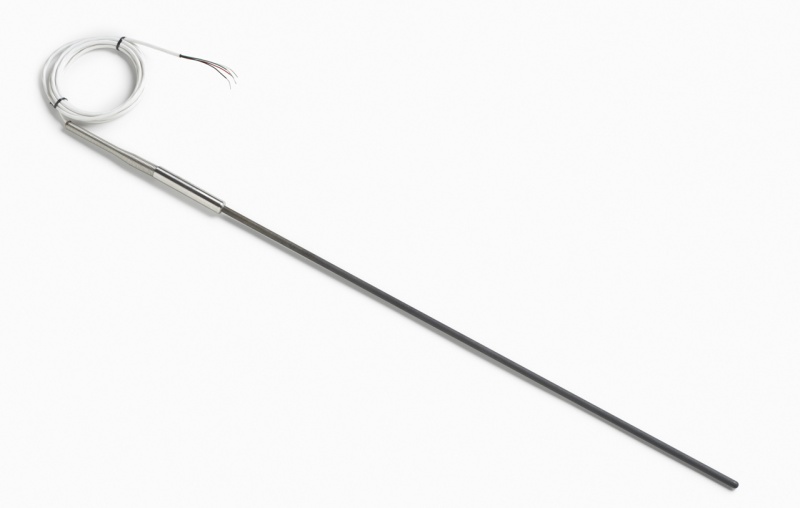
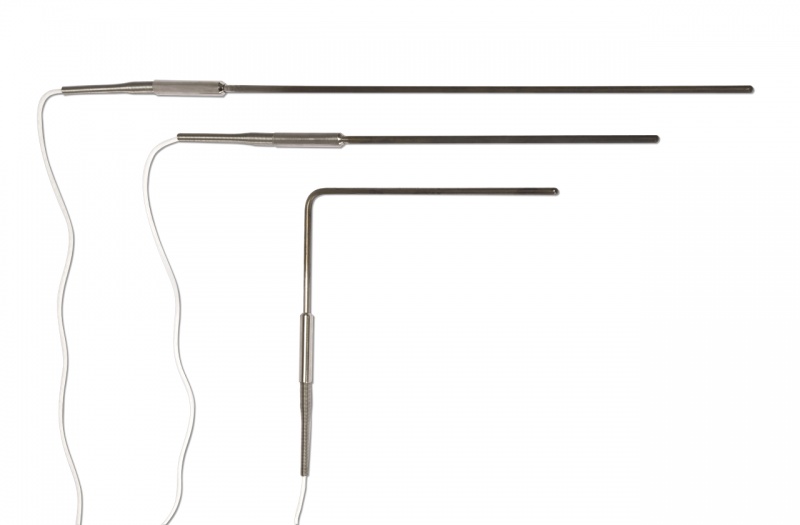
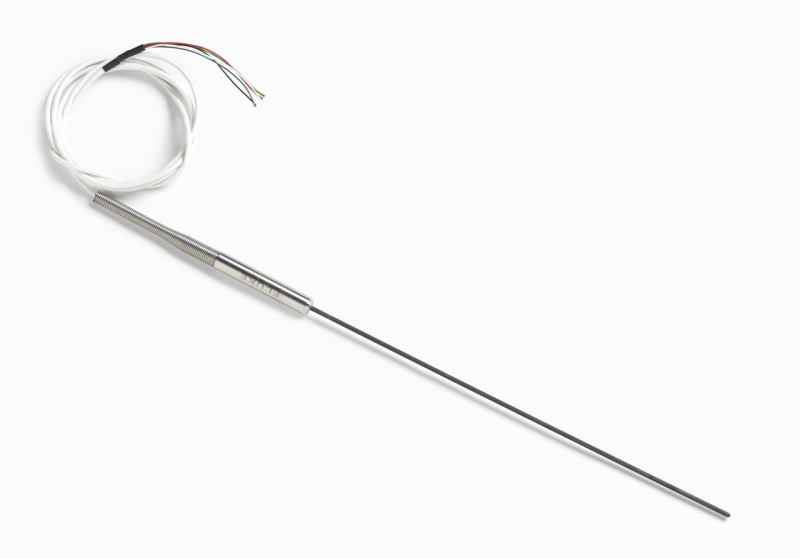

Opis produktu – Fluke 5608 / 5609 / 5609-BND Wtórne Sondy Referencyjne PRT
Specyfikacja
| Zakres temperatury |
5608: –200 °C to 500 °C 5609: –200 °C to 670 °C |
||||||||||||||||||||||
| Nominalna rezystancja w 0.01 °C | 100 ? ± 0.5 ? | ||||||||||||||||||||||
| Współczynnik tempteraturowy | 0.0039250 ?/?/°C | ||||||||||||||||||||||
| Względna dokładność[1] | ± 0.007 °C at –200 °C ± 0.008 °C at 0 °C ± 0.020 °C at 420 °C ± 0.027 °C at 660 °C |
||||||||||||||||||||||
| Krótkookresowa powtarzalność[2] | ± 0.007 °C at 0.010 °C ± 0.013 °C at max temp |
||||||||||||||||||||||
| Dryf[3] | ± 0.01 °C at 0.010 °C ± 0.02 °C at max temp |
||||||||||||||||||||||
| Histereza | ± 0.01 °C maximum | ||||||||||||||||||||||
| Długość czujnika | 30 mm ± 5 mm (1.2 in ± 0.2 in) | ||||||||||||||||||||||
| Położenie czujnika | 3 mm ± 1 mm from tip (0.1 in ± 0.1 in) | ||||||||||||||||||||||
| Materiał obudowy | Inconel™ 600 | ||||||||||||||||||||||
| Minimalna rezystancja izolacji | 5608: 500 M? at 23 °C, 20 M? at 500 °C 5609: 500 M? at 23 °C, 10 M? at 670 °C |
||||||||||||||||||||||
| Minimalne zanurzenie czujnika[5] (<5 mK error) |
5608: 80 mm (3.1 in) 5609: 100 mm (3.9 in) |
||||||||||||||||||||||
| Maksymalne zanurzenie czujnika | 305 mm (12 in) | ||||||||||||||||||||||
| Czas odpowiedzi[5] | 5608: 9 seconds typical 5609: 12 seconds typical |
||||||||||||||||||||||
| Samonagrzewanie (in 0 °C bath) | 5608: 75 mW/°C 5609: 50 mW/°C |
||||||||||||||||||||||
| Typ przewodu | PTFE 24 AWG | ||||||||||||||||||||||
| Długość przewodu | 1.8 m (6 ft) | ||||||||||||||||||||||
| Zakres pracy terminczej przewodu | –50 °C to 250 °C | ||||||||||||||||||||||
| Kalibracja | Calibration not included; NVLAP-accredited calibration optional, lab code 200348-0. Please see calibration uncertainty table and its explanation of changeable uncertainties. | ||||||||||||||||||||||
| [1] Includes short-term repeatability and 100 hr drift. Calibration will add additional uncertainties.
[2] Three thermal cycles from min to max temp, includes hysteresis, 95 % confidence (k=2) [3]After 100 hours at max temp, 95 % confidence (k=2) [4] Temperatures outside this range will cause irreparable damage. For best performance, transition junction should not be too hot to touch. [5] Per ASTM E 644 |
|
||||||||||||||||||||||